Bessie Smith Fatal Crash Site (Approximate)
Old Highway 61 (near Eagles Nest Road)
Coahoma, Mississippi, USA
34.3633° N · -90.5245° W
Get DirectionsWhat happened here?
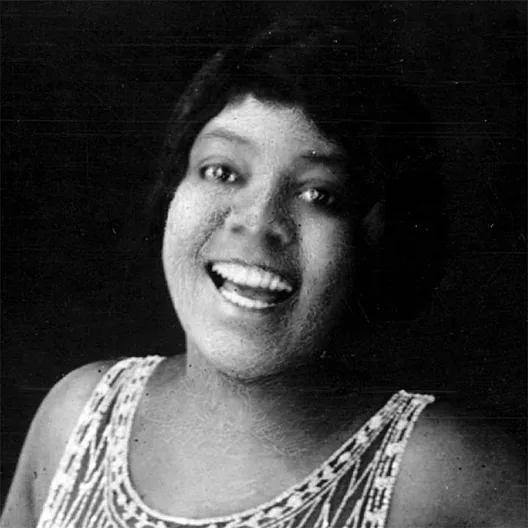
In the early morning hours of September 26, 1937, Bessie Smith — the Empress of the Blues — was fatally injured in a car accident on this stretch of Highway 61. Smith and her partner and manager Richard Morgan were driving north from a performance in Darling, Mississippi, heading toward a singing engagement in Memphis, Tennessee. At around 2 a.m., Morgan failed to see a National Biscuit Company truck parked on the roadside with its lights off. Their old Packard slammed into the back of it at speed.
The impact crushed the right side of the vehicle, nearly severing Smith's right arm and causing severe internal injuries. Morgan escaped with only minor injuries.
The Roadside Scene
Dr. Hugh Smith and his fishing companion Henry Broughton, both white, happened upon the wreckage while driving south on Highway 61. They stopped and administered emergency first aid. The two men struggled to move Smith into the back seat of their car — she weighed over 200 pounds and was badly injured. While they were loading her, a car carrying two intoxicated white men ploughed into Morgan's wrecked vehicle, which in turn struck Dr. Smith's car. The second crash added to the chaos on the dark, unlit highway.
Nearly 30 minutes passed before two ambulances arrived from Clarksdale. Under Mississippi's segregation laws, separate ambulances were dispatched for Black and white patients. Smith was transported south to the G.T. Thomas Afro-American Hospital in Clarksdale, the nearest facility that would treat Black patients.
Death of the Empress
Smith's right arm was amputated at the hospital, but her injuries were too severe. She died at approximately 11 a.m. that morning — roughly nine hours after the crash. She was 43 years old.
Her funeral was held on October 4, 1937, near Philadelphia, Pennsylvania. Approximately 7,000 mourners attended, a testament to the enormous impact she had on American music. By the 1920s, Smith had made more money than any Black performer ever had, recording with Louis Armstrong and Fletcher Henderson's band, and starring in the 1929 film St. Louis Blues. Her first record in 1923 sold nearly 800,000 copies.
The Myth of the White Hospital
A persistent and widely repeated story claims that Bessie Smith was first taken to a whites-only hospital in Clarksdale and turned away, bleeding to death while an ambulance searched for a facility that would accept her. This version of events was published by music critic and producer John Hammond in the October 1937 issue of Down Beat magazine. Although a retraction appeared in the following issue, the story stuck.
Playwright Edward Albee further cemented the myth with his 1959 play The Death of Bessie Smith, which relocated the segregated hospital to Memphis. Chris Albertson's authoritative 1972 biography set the record straight with testimony from Dr. Hugh Smith and others who were present. Most historians now agree that Smith was taken directly to the Afro-American Hospital — no white hospital was involved. Her injuries were simply too catastrophic to survive, regardless of how quickly she received treatment. Hammond, notably, never conceded that he had misrepresented the truth, and died in 1987 still maintaining his account.
Visiting the Site
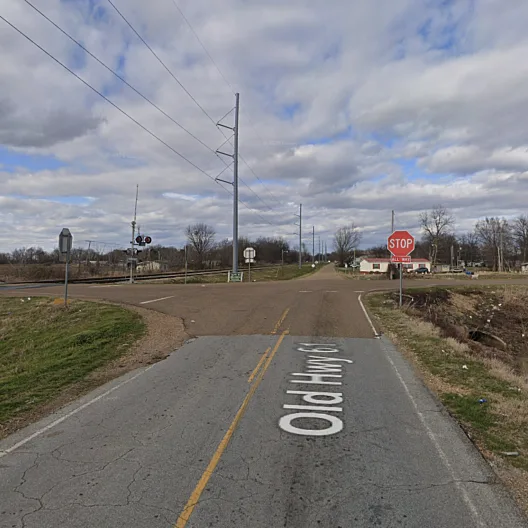
This location is an approximation. The crash occurred roughly 14 to 16 miles north of downtown Clarksdale on the original two-lane Highway 61, near the small community historically known as Millers. The road Bessie Smith was travelling on is now known locally as Old Highway 61, running parallel to the modern four-lane divided highway about a quarter-mile to the west. There is no formal marker or monument at the crash site. The flat, open Delta farmland surrounding the road looks much as it did in 1937.
Smith's grave in Philadelphia, Pennsylvania remained unmarked for over 30 years until 1970, when Janis Joplin commissioned a headstone. It reads: "The Greatest Blues Singer in the World Will Never Stop Singing."
Visitors interested in the final chapter of this story can also visit the Riverside Hotel in Clarksdale, which occupies the building that was formerly the G.T. Thomas Afro-American Hospital where Bessie Smith died.
In the early morning hours of September 26, 1937, Bessie Smith — the Empress of the Blues — was fatally injured in a car accident on this stretch of Highway 61. Smith and her partner and manager Richard Morgan were driving north from a performance in Darling, Mississippi, heading toward a singing engagement in Memphis, Tennessee. At around 2 a.m., Morgan failed to see a National Biscuit Company truck parked on the roadside with its lights off. Their old Packard slammed into the back of it at speed.
The impact crushed the right side of the vehicle, nearly severing Smith's right arm and causing severe internal injuries. Morgan escaped with only minor injuries.
The Roadside Scene
Dr. Hugh Smith and his fishing companion Henry Broughton, both white, happened upon the wreckage while driving south on Highway 61. They stopped and administered emergency first aid. The two men struggled to move Smith into the back seat of their car — she weighed over 200 pounds and was badly injured. While they were loading her, a car carrying two intoxicated white men ploughed into Morgan's wrecked vehicle, which in turn struck Dr. Smith's car. The second crash added to the chaos on the dark, unlit highway.
Nearly 30 minutes passed before two ambulances arrived from Clarksdale. Under Mississippi's segregation laws, separate ambulances were dispatched for Black and white patients. Smith was transported south to the G.T. Thomas Afro-American Hospital in Clarksdale, the nearest facility that would treat Black patients.
Death of the Empress
Smith's right arm was amputated at the hospital, but her injuries were too severe. She died at approximately 11 a.m. that morning — roughly nine hours after the crash. She was 43 years old.
Her funeral was held on October 4, 1937, near Philadelphia, Pennsylvania. Approximately 7,000 mourners attended, a testament to the enormous impact she had on American music. By the 1920s, Smith had made more money than any Black performer ever had, recording with Louis Armstrong and Fletcher Henderson's band, and starring in the 1929 film St. Louis Blues. Her first record in 1923 sold nearly 800,000 copies.
The Myth of the White Hospital
A persistent and widely repeated story claims that Bessie Smith was first taken to a whites-only hospital in Clarksdale and turned away, bleeding to death while an ambulance searched for a facility that would accept her. This version of events was published by music critic and producer John Hammond in the October 1937 issue of Down Beat magazine. Although a retraction appeared in the following issue, the story stuck.
Playwright Edward Albee further cemented the myth with his 1959 play The Death of Bessie Smith, which relocated the segregated hospital to Memphis. Chris Albertson's authoritative 1972 biography set the record straight with testimony from Dr. Hugh Smith and others who were present. Most historians now agree that Smith was taken directly to the Afro-American Hospital — no white hospital was involved. Her injuries were simply too catastrophic to survive, regardless of how quickly she received treatment. Hammond, notably, never conceded that he had misrepresented the truth, and died in 1987 still maintaining his account.
Visiting the Site
This location is an approximation. The crash occurred roughly 14 to 16 miles north of downtown Clarksdale on the original two-lane Highway 61, near the small community historically known as Millers. The road Bessie Smith was travelling on is now known locally as Old Highway 61, running parallel to the modern four-lane divided highway about a quarter-mile to the west. There is no formal marker or monument at the crash site. The flat, open Delta farmland surrounding the road looks much as it did in 1937.
Smith's grave in Philadelphia, Pennsylvania remained unmarked for over 30 years until 1970, when Janis Joplin commissioned a headstone. It reads: "The Greatest Blues Singer in the World Will Never Stop Singing."
Visitors interested in the final chapter of this story can also visit the Riverside Hotel in Clarksdale, which occupies the building that was formerly the G.T. Thomas Afro-American Hospital where Bessie Smith died.
Plan your visit
Fan pilgrimage site
Reviews
Been here? Tell us about it
You've already reviewed this landmark.