What happened here?
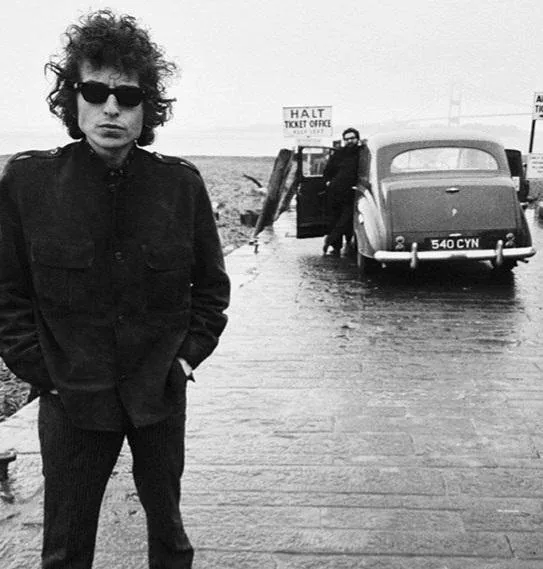
On 11 May 1966, photographer Barry Feinstein captured one of the most iconic images in rock history at the Aust Ferry terminal on the banks of the River Severn. Bob Dylan stands alone against a bleak, overcast sky, the ferry slipway stretching out behind him — a figure caught between worlds. The photograph would later be used as the cover for Martin Scorsese's documentary No Direction Home.
Dylan was in transit. The night before, on 10 May, he had played Colston Hall in Bristol — the opening date of the British leg of his 1966 World Tour. The concert was split in two: a solo acoustic first half, followed by a full electric set with The Hawks. The audience booed through much of the second half. One reviewer said Dylan was "sacrificing lyric and melody to the God of big beat." It was a taste of what was to come — the tour that would later be dubbed the 'Judas' tour after the infamous heckle at Manchester's Free Trade Hall.
Feinstein — who had previously shot the cover of The Times They Are a-Changin' — was travelling with Dylan at the musician's invitation to document the tour, both onstage and off. Many of his photographs from the UK and Paris legs were later collected in the book Real Moments. The Aust Ferry image became the most famous of them all.
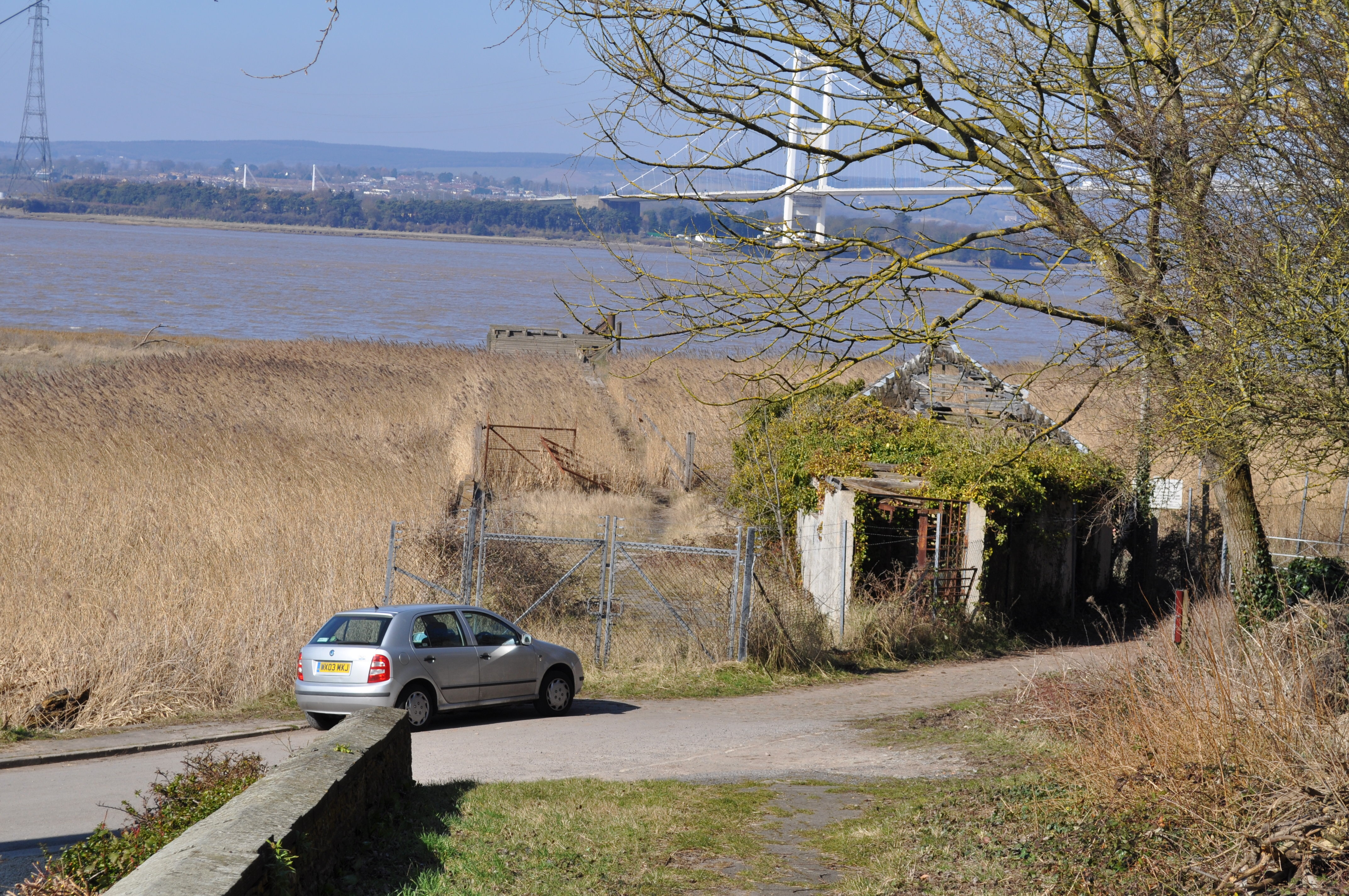
The Aust Ferry had operated at this crossing point since Roman times, when legions were ferried across the Severn at the site known as the Trajectus. The modern car ferry ran from 1931 until 8 September 1966 — just four months after Dylan stood there — when it was replaced by the first Severn Bridge. The terminal building has since been demolished, but the concrete slipway and rotting timber remains are still visible, jutting out into the estuary.
Today, visitors can walk down to the old slipway at Aust and stand in roughly the same spot where Feinstein took the photograph. The Severn Bridge towers overhead, and the estuary stretches wide and grey in both directions. Not much else remains — but the atmosphere of isolation and passage that made the image so powerful is still unmistakably there.